
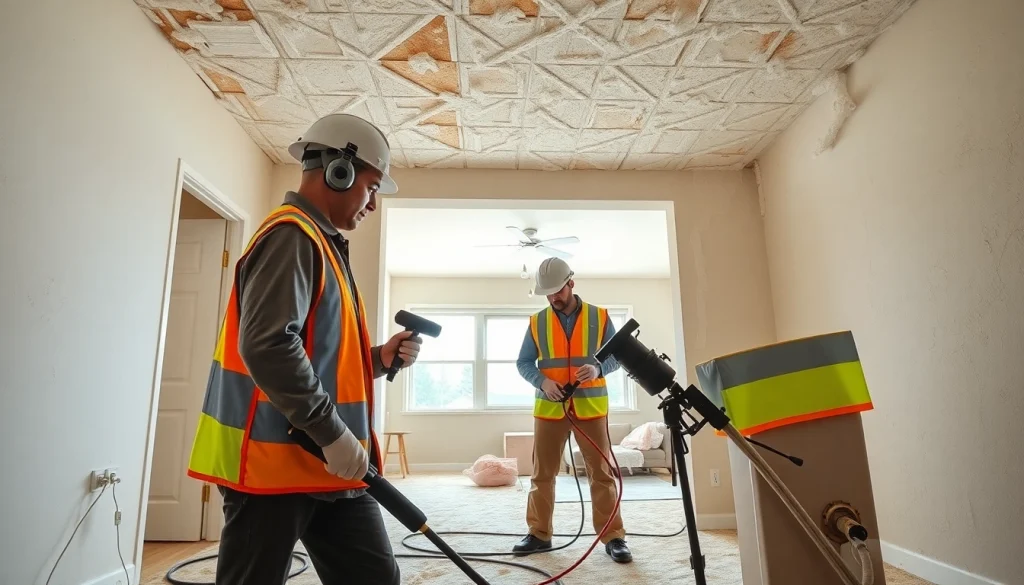
Understanding Spray Foam Removal West Sussex
Spray foam insulation, known for its excellent insulating properties, has become a popular choice in West Sussex homes. However, certain circumstances may necessitate its removal. Understanding the complexities of the spray foam removal West Sussex process is crucial for homeowners. This article provides in-depth insights into why, how, and what to expect from the removal of spray foam insulation.
The Importance of Proper Removal
Proper removal of spray foam insulation is essential to maintain the integrity of your home. Failure to do so can lead to structural issues, mold growth, and other long-term problems. The removal process must be handled with care to ensure that any remaining residue does not compromise indoor air quality or building materials. The importance of engaging professional services cannot be overstated; they can perform assessments to ensure that the removal is complete and safe.
Common Reasons for Removal
- Water Damage: Excess moisture can cause spray foam to deteriorate, leading to a need for removal.
- Allergen Concerns: Some individuals may be allergic to components within the foam.
- Property Renovations: Major home renovations might require insulation changes.
- Improper Application: Poor installation can lead to insulation inefficiencies, necessitating removal.
- Changes in Code Regulations: Updates in building codes may make existing materials non-compliant.
Potential Risks of DIY Removal
While many homeowners may consider DIY approaches for spray foam removal, the risks far outweigh the perceived benefits. Improper removal can result in injury, such as chemical burns or respiratory issues from inhaling particles. Moreover, without proper tools and knowledge, you could unintentionally damage structural elements of your home. It’s critical to understand that removal should ideally be left to trained experts who understand the nuances and hazards associated with spray foam insulation.
Techniques for Spray Foam Removal
There are various techniques to remove spray foam insulation, each with its benefits and drawbacks. Understanding these can help you make informed decisions about the best method for your situation.
Mechanical vs. Chemical Methods
Two primary techniques dominate the spray foam removal landscape: mechanical and chemical methods.
- Mechanical Removal: This technique involves the use of tools such as electric saws or grinders to physically remove the foam. While effective, it can create significant debris and dust.
- Chemical Removal: Chemical agents are applied to dissolve the foam. This method is less invasive and reduces dust but requires thorough clean-up and safety precautions due to the chemicals involved.
Best Practices for Effective Removal
Regardless of the method chosen, certain best practices should be followed:
- Always conduct a risk assessment beforehand.
- Wear personal protective equipment (PPE), including gloves, goggles, and masks.
- Test a small area first to ensure the chosen method is effective.
- Ensure proper ventilation in the area during the removal process.
- Carefully document the process for future reference.
Tools and Equipment Needed
The tools and equipment required for spray foam removal can vary based on the chosen method. Essential items include:
- Saws and grinders for mechanical removal
- Chemicals specifically designed for foam dissolution
- Industrial vacuums to manage debris
- Protective clothing for safety
- Basic hand tools like scrapers and knives
Hiring Professionals for Spray Foam Removal
For many homeowners, hiring professionals for spray foam removal is the best course of action. Professionals bring experience and tools that can ensure efficiency and safety during the entire process.
Benefits of Professional Services
Engaging professionals comes with numerous benefits:
- Expert Knowledge: Professionals understand the best techniques and materials to use for each situation.
- Safety Assurance: Trained experts can prevent injuries and manage hazardous conditions effectively.
- Thorough Cleanup: Professionals can ensure all residues are removed, safeguarding your home’s air quality.
- Time-Saving: Professionals can complete tasks more quickly than an average homeowner would.
What to Look for in a Service Provider
When seeking a spray foam removal service, consider the following factors:
- Check for credentials and certifications relevant to spray foam removal.
- Look for reviews and testimonials from past customers.
- Inquire about their experience with similar projects.
- Ensure they provide a clear quote, detailing labor and material costs.
- Confirm that they carry liability insurance for your protection.
Cost Considerations and Estimates
The costs associated with spray foam removal can vary significantly based on factors like the extent of removal, the method used, and regional labor rates. On average, homeowners can expect to pay between £1,000 and £3,000, but obtaining estimates from multiple providers is recommended to ensure fair pricing. Remember to consider both immediate costs and potential long-term savings when making your decision.
Post-Removal Procedures and Tips
Once the spray foam insulation has been removed, certain procedures should be followed to ensure the area is safe and ready for the next stages.
Assessing the Area After Removal
After removal, a thorough inspection should be conducted:
- Check for any remaining residues or damage.
- Look for moisture issues that may have contributed to the need for foam removal.
- Assess the structural integrity of any surfaces that were insulated.
Preventing Future Foam Intrusions
To avoid future issues with spray foam insulation, consider the following preventative measures:
- Ensure proper ventilation in areas where moisture is prevalent.
- Use moisture barriers in basements and crawl spaces.
- Regularly inspect insulation materials and make necessary repairs promptly.
Maintaining a Healthy Home Environment
Maintaining a healthy indoor environment is crucial:
- Invest in air quality systems that reduce allergens.
- Regularly clean ducts and vent systems to prevent dust and particles from circulating.
- Consider using eco-friendly materials for any new insulation or home improvements.
Frequently Asked Questions About Spray Foam Removal
What is spray foam insulation removal?
Spray foam insulation removal involves safely removing foam insulation from walls, attics, or other areas where it has been applied, often due to water damage, allergens, or improper installation.
How long does the removal process take?
The duration of the removal process varies based on the area size and insulation type but typically ranges from several hours to a couple of days for comprehensive tasks.
Are there health risks associated with spray foam?
Yes, products used in spray foam can contain chemicals that may cause respiratory issues, allergic reactions, or skin irritation during installation or removal, emphasizing the need for safety procedures.
Can I do spray foam removal myself?
While DIY removal is possible, it is not recommended due to safety risks and the potential for incomplete removal, which can lead to ongoing issues.
What is the cost of spray foam removal services?
The cost of spray foam removal varies widely based on factors such as the removal method, project size, and location but typically ranges from £1,000 to £3,000.