
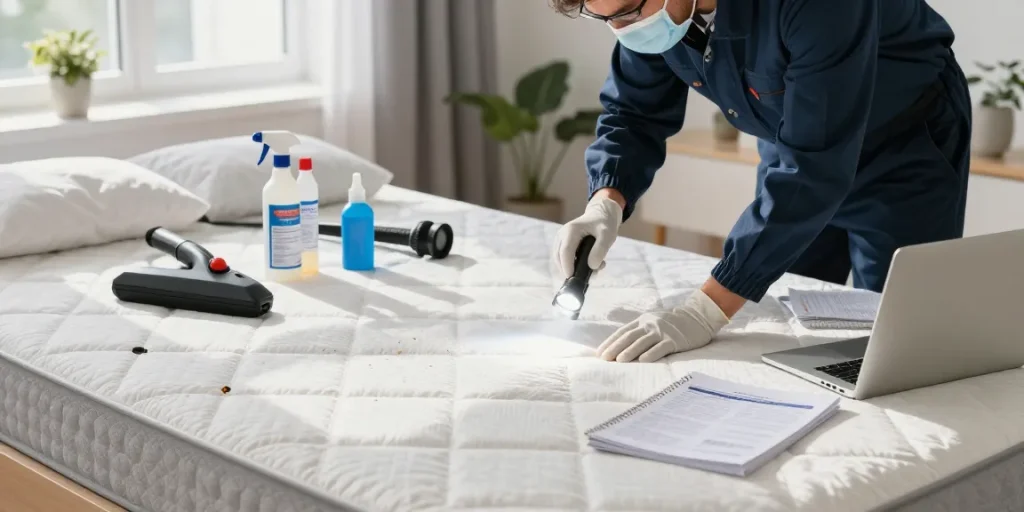
Understanding Bed Bug Removal: Causes and Symptoms
Bed bugs are tiny, elusive pests that can turn your peaceful haven into a nightmare. As they thrive in mattresses, carpets, and furniture, they not only disrupt your sleep but also pose significant health risks through their bites. Identifying a bed bug infestation early is crucial for effective bed bug removal, as these insects are masterful at hiding and reproducing. Understanding how they get into your home and recognizing the signs of an infestation are the first steps in regaining control of your space.
What Attracts Bed Bugs to Your Home?
Bed bugs are notably skilled hitchhikers, often entering homes through luggage, used furniture, or clothing. Their ability to cling to various surfaces makes them a common nuisance in hotels and transit areas. Warmth and carbon dioxide emitted by sleeping humans attract these pests; hence, they tend to invade bedrooms and nearby living spaces. Additionally, the presence of clutter can provide ample hiding spots, making it easier for them to thrive.
Identifying Signs of Infestation
Recognizing the signs of a bed bug infestation is crucial for timely intervention. Look for:
- Small, reddish-brown bugs about the size of an apple seed.
- Dark spots on bedding or furniture, which are actually their droppings.
- Blood stains on sheets from crushed bugs.
- Itchy welts or bites on your body, often arranged in lines.
The Risks of Ignoring Bed Bugs
Ignoring a bed bug problem can lead to serious repercussions. A small infestation can quickly escalate, leading to widespread discomfort and more challenging removal processes. Bed bugs can cause allergic reactions, secondary infections from scratching bites, and significant mental stress. Moreover, untreated infestations may significantly impact the livability of your home, making it essential to act swiftly at the first signs of their presence.
Effective Bed Bug Removal Methods
Once an infestation is confirmed, employing the right removal techniques is paramount. Here, we delve into the most effective methods, including chemical treatments and eco-friendly options, to ensure successful eradication.
Chemical Treatments: What You Need to Know
Chemical treatments remain a popular choice for bed bug removal due to their effectiveness. Residual insecticides provide long-lasting protection, with some formulations remaining potent for up to 120 days. However, it’s essential to follow all safety precautions, as improper application can lead to health risks for residents and pets. It’s advisable to consult with a professional pest control service for safe and effective application.
Heat Treatments: An Eco-Friendly Alternative
Heat treatment is a highly effective and eco-friendly method for eliminating bed bugs. This method involves raising the temperature of an infested space to a level lethal to bed bugs and their eggs. Since bed bugs cannot survive prolonged exposure to temperatures above 120°F (49°C), this method can effectively eradicate all life stages without the use of chemicals. Additionally, heat treatment can also eliminate allergens like dust mites, providing a dual benefit for allergy sufferers.
Combining Approaches for Maximum Efficacy
For severe infestations, combining chemical and heat treatments can offer the best results. This integrated pest management approach ensures that bed bugs are eliminated from both hiding spots and exposed surfaces. A comprehensive plan often includes initial heat treatment followed by chemical sprays to cover surfaces that may have been missed or where new bugs might emerge.
Preparing for a Bed Bug Treatment
Preparation is key to the success of any bed bug treatment. By taking certain steps beforehand, you can improve the chances of a complete extermination and minimize the impact on your daily life.
Essential Steps to Minimize Infestation
Before treatment, there are several steps you should take to prepare your home:
- Reduce clutter in infested areas to allow better access for treatment.
- Vacuum your home thoroughly and dispose of the vacuum bag or clean the canister outside.
- Wash and dry bedding, curtains, and clothing on high heat to kill any bed bugs.
- Move furniture slightly away from walls to allow treatment accessibility.
What to Expect During the Treatment Process
During the treatment process, professionals will assess the extent of the infestation and choose the appropriate method. For chemical treatments, you may need to vacate the premises for a few hours to ensure safety. If heat treatment is being conducted, professionals will use specialized equipment to ensure the target temperature is reached and maintained.
Post-Treatment Guidelines for Homeowners
After treatment, it’s crucial to follow specific guidelines to ensure the effective elimination of bed bugs:
- Avoid reintroducing bed bugs by checking luggage and items before bringing them into your home.
- Monitor your space for any signs of bed bugs returning.
- Consider using protective covers for mattresses and box springs to prevent future infestations.
Preventing Future Bed Bug Infestations
Once you’ve dealt with a bed bug problem, implementing preventative measures can help safeguard against future infestations. Understanding common misconceptions and best practices is vital for maintaining a bedbug-free home.
Common Myths About Bed Bugs and Control
There are many myths regarding bed bugs, such as their association with poor hygiene or only infesting dirty homes. In reality, bed bugs can infest any home, regardless of cleanliness, as long as they have access to humans. Understanding these myths can help homeowners take proactive steps without stigma or embarrassment.
Best Practices for Homeowners
To avoid future issues, homeowners should:
- Regularly inspect their living space for signs of bed bugs.
- Avoid purchasing used mattress and furniture without thorough inspections.
- Use bed bug-proof encasements for mattresses and box springs.
Monitoring Techniques for Early Detection
Implementing monitoring strategies can help catch bed bugs before they become an infestation. Sticky traps can be placed in areas known for activity, such as near beds and furniture. Regular vigilance, especially after traveling, will enable homeowners to identify and address problems promptly.
Case Studies and Success Stories in Bed Bug Removal
Real-world applications and testimonials demonstrate the efficacy of various bed bug removal methods. These examples can provide insight and hope for those currently battling these pests.
Real-World Applications of Chemical Treatments
Numerous case studies showcase the effectiveness of chemical treatments in eradicating bed bugs. In an apartment complex where chemical spray treatment was implemented, a follow-up inspection revealed a 95% reduction in bed bug populations within two weeks. This successful approach underscored the importance of thorough application by trained professionals.
Successful Heat Treatment Experiences
Heat treatments have garnered positive feedback from homeowners. One case involved an extensive infestation in a home filled with furniture; after a thorough heat treatment session, the homeowner reported no signs of bed bugs for over six months, proving the method’s long-lasting effectiveness.
Customer Testimonials and Feedback
Many customers express gratitude for the speedy and effective services provided by pest control professionals. They appreciate the peace of mind that comes with knowing their homes are free from bed bugs, leading to better sleep and overall well-being.
What Should You Do If You Have More Questions?
If you suspect a bed bug problem or have further questions about prevention and treatment, don’t hesitate to reach out to a professional pest control service. Experts can provide personalized recommendations and conduct thorough inspections to ensure your home remains safe and pest-free.
How Can You Choose the Right Exterminator?
Selecting the right exterminator is critical for effective bed bug removal. Look for companies with proven track records, positive customer reviews, and certified technicians. They should be knowledgeable about all treatment options and prepared to tailor their approach based on your specific needs.
Are There DIY Methods That Actually Work?
While some DIY methods exist, they often fail to address established infestations effectively. Commercial-grade products and professional treatments are typically required to achieve complete eradication. If the infestation persists, consulting with a pest control expert is strongly advised.