
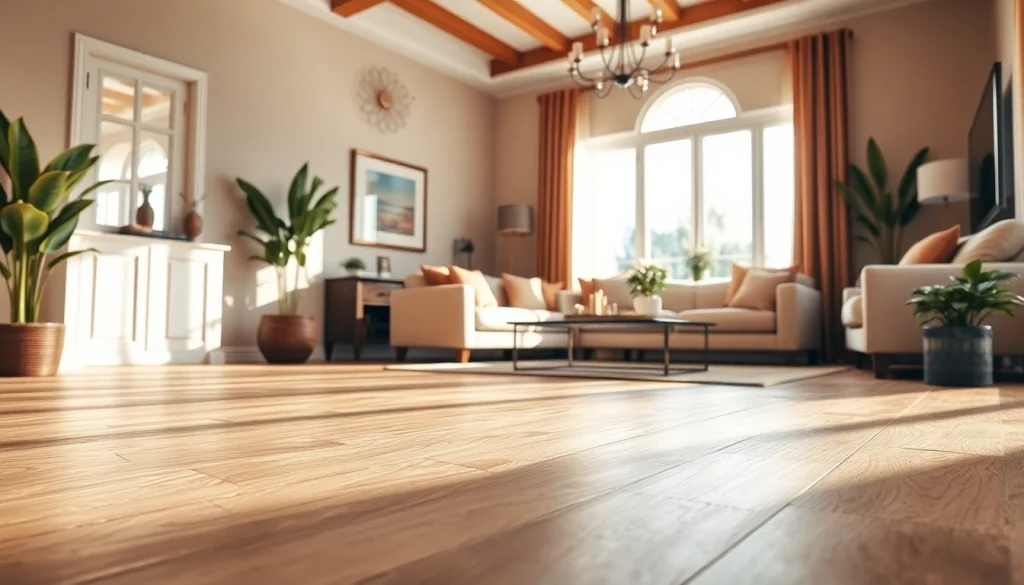
Understanding LVP Flooring Characteristics
What is LVP Flooring?
Luxury Vinyl Plank (LVP) flooring is a type of resilient flooring designed to mimic the appearance of natural wood, stone, or tile while providing enhanced performance and durability. Composed of multiple layers, LVP typically features a wear layer that protects against scratches, dents, and water damage, making it ideal for high-traffic areas in homes and commercial spaces. The visual aesthetics of LVP are achieved through high-definition printing technology and realistic textures, making it a popular choice for homeowners seeking a stylish yet functional flooring solution.
Key Benefits of Best LVP Flooring
Choosing the best lvp flooring offers a wealth of advantages. Its primary benefits include:
- Water Resistance: Many varieties of LVP are waterproof, making them suitable for kitchens, bathrooms, and basements.
- Durability: The robust construction of LVP helps it withstand wear and tear, ensuring it maintains its appearance for years.
- Easy Installation: Available in click-lock formats, LVP can often be installed without the need for glue or nails, making it accessible for DIY enthusiasts.
- Comfort Underfoot: LVP is softer than traditional hardwood or tile flooring, providing a more comfortable walking surface.
- Variety of Styles: With countless colors, patterns, and textures, LVP can cater to diverse design preferences.
Common Misconceptions About LVP Flooring
Despite its popularity, several misconceptions about LVP flooring persist:
- LVP is Cheap-Looking: While LVP is often more affordable than hardwood, modern designs can closely imitate high-end materials.
- LVP Cannot Be Recycled: Many manufacturers are moving towards producing recyclable LVP products, making them environmentally friendly.
- Only for Residential Use: LVP is durable enough for commercial use, performing well in various business settings.
Types of Best LVP Flooring Available
Standard vs. Waterproof LVP Flooring
When selecting LVP flooring, it’s essential to distinguish between standard and waterproof options. Standard LVP provides excellent durability but may not be suitable for wet environments. Waterproof LVP, on the other hand, is engineered to resist water damage and can be immersed in water without warping or peeling. This makes it an excellent choice for spaces where spills are more likely to occur, such as bathrooms and kitchens.
Luxury Vinyl Plank Styles and Designs
The market for LVP flooring is rich with styles, from traditional oak and walnut to modern stone and abstract patterns. Homeowners can select from various plank widths and textures, adding an extra layer of customization to their spaces. Considerations such as room size and natural light can also influence design choices, as darker floors can make a room feel cozier, while lighter tones can create a more spacious environment.
Cost Comparisons Among Various LVP Types
Investment in flooring varies widely, influenced by the quality and type of LVP. Generally, standard LVP can cost between $2 to $5 per square foot, while high-end or waterproof LVP may range from $5 to $9 per square foot. Additional costs for installation, underlayment, and removal of existing flooring must also be accounted for. When assessing your budget, evaluate long-term durability and maintenance to ensure a smart investment in the best lvp flooring.
Installation Guide for Best LVP Flooring
DIY Installation vs. Professional Help
One of the appealing features of LVP flooring is its ease of installation. Homeowners with basic DIY skills can often undertake the installation process themselves. However, for those less experienced or with large areas to cover, hiring a professional installer may be beneficial. This ensures that the flooring is laid correctly, avoiding misalignment and seams that can lead to future issues.
Tools Needed for Installation
To install LVP flooring, you’ll need a few essential tools, including:
- Measuring tape
- Utility knife
- Straight edge or square
- Flooring underlayment (if required)
- Spacers for expansion gaps
- Rubber mallet
- Pull bar and tapping block
Having the right tools simplifies the process and leads to a more professional finish.
Step-by-Step Installation Process
The installation process of LVP flooring can be broken down into several straightforward steps:
- Preparation: Ensure your flooring surface is clean, dry, and level. Remove any existing flooring that could obstruct the installation.
- Acclimation: Allow the LVP to acclimate to the room temperature for at least 48 hours before installation.
- Layout Planning: Determine the layout to control plank direction and minimize waste.
- Install Underlayment: If required, lay down the underlayment across the entire floor area.
- Plank Installation: Start laying planks from one corner of the room, using spacers to ensure expansion gaps along walls.
- Finishing Touches: Once all planks are installed, add trim and baseboards to finish the appearance.
Maintenance Tips for Longevity
Cleaning and Care for Best LVP Flooring
Maintaining the aesthetic and functional performance of the best lvp flooring is relatively easy with the right care. Regular sweeping or vacuuming removes dirt and debris, and damp mopping with a manufacturer-recommended cleaner keeps the surface looking pristine. Avoiding harsh chemicals or abrasive tools is crucial to prevent damaging the finish.
Common Issues and Troubleshooting
While LVP is designed to endure, issues can arise. Common concerns include:
- Squeaking or Noises: This may be due to inadequate expansion gaps or humidity changes. Ensure planks are appropriately spaced.
- Scratches: These can often be minimized by protective mats in high-traffic areas and avoiding dragging furniture across the surface.
- Water Damage: While waterproof LVP can resist moisture, excessive pooling may still harm the installation. Wipe up spills promptly.
When to Replace Your LVP Flooring
The longevity of LVP flooring typically ranges from 10 to 30 years, depending on quality and maintenance. Signs that it may be time for replacement include significant wear, discoloration, or damage that cannot be repaired. Regular inspections can help identify problems early, allowing for timely repairs or replacements.
FAQs About Best LVP Flooring
How long does best lvp flooring last?
Best lvp flooring can last between 10 to 30 years based on quality, usage, and care, making it a durable choice for homes.
Is best lvp flooring suitable for kitchens?
Yes, best lvp flooring is an excellent choice for kitchens due to its water resistance and ease of cleaning.
Can best lvp flooring be installed over existing floors?
Best lvp flooring can often be installed over existing floors if they are level and in good condition, saving on removal costs.
What makes best lvp flooring a popular choice?
Best lvp flooring combines affordability, durability, water resistance, and an extensive range of styles, appealing to many homeowners.
How do I choose the right color for best lvp flooring?
Choosing the right color involves considering room size, natural light, and existing décor to ensure a cohesive look.