
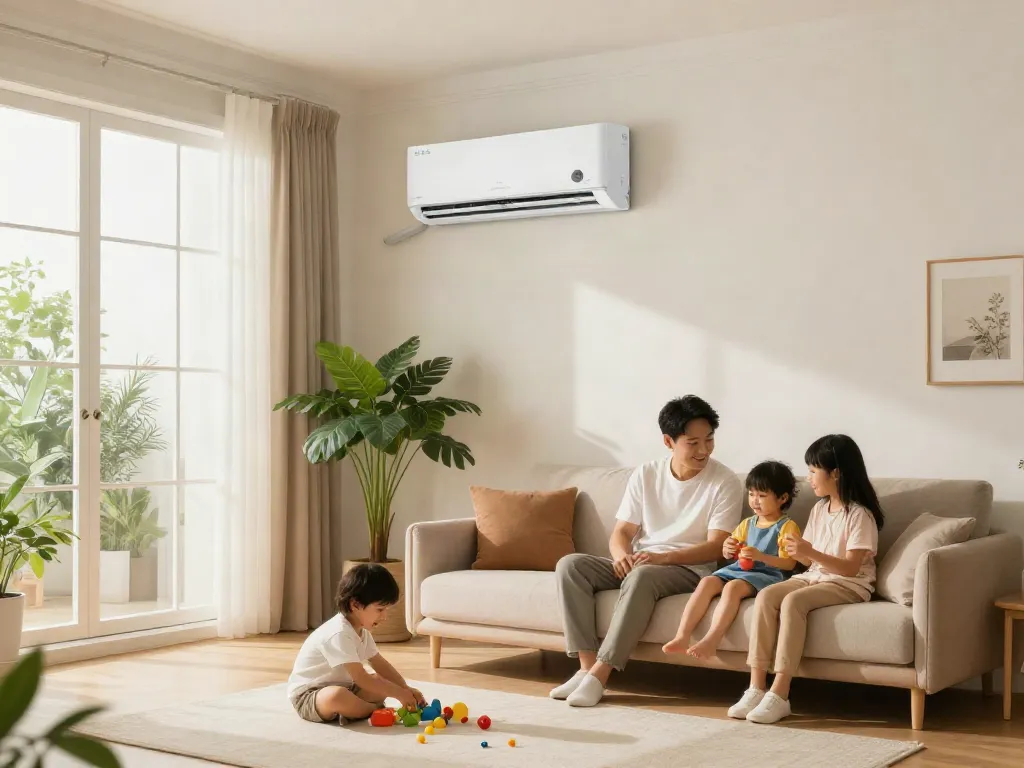
Understanding Mini Split of Air Conditioners
In the dynamic landscape of home heating and cooling, the mini split of air conditioner has emerged as a game-changer for homeowners seeking efficient and flexible climate control solutions. Unlike traditional HVAC systems, mini splits offer unique advantages that cater to modern living environments, particularly in urban settings where space is at a premium. This article will delve into the characteristics, benefits, and installation considerations of mini split systems, providing a comprehensive guide for anyone looking to upgrade their cooling solutions.
What is a Mini Split of Air Conditioner?
A mini split air conditioner is a type of ductless cooling system that comprises two main components: an outdoor compressor and one or more indoor air-handling units. The outdoor unit absorbs heat from the environment and transfers it indoors, while the indoor units distribute the cooled air throughout the space. The absence of ductwork in these systems makes them ideal for retrofitting in older homes or for use in additions and smaller spaces where traditional ducted systems may not be feasible.
Key Components and Functionality
To understand how mini split air conditioners function, it's essential to familiarize yourself with their key components:
- Outdoor Unit: This unit houses the compressor and condenser coil. It works to dissipate heat absorbed from the indoor air.
- Indoor Unit: This component contains the evaporator coil and fan. It is responsible for circulating cooled air into the room.
- Refrigerant Lines: These insulated pipes connect the outdoor and indoor units, transporting refrigerant between them.
- Thermostat Control: Each indoor unit can be equipped with its own thermostat, allowing for individualized temperature control in different spaces.
This setup allows mini split systems to cool or heat specific areas without the energy losses associated with ducted systems, resulting in improved efficiency and comfort.
Benefits of Choosing Mini Splits Over Traditional Systems
There are several compelling reasons to consider mini split systems over traditional HVAC options:
- Energy Efficiency: Mini splits typically have higher SEER (Seasonal Energy Efficiency Ratio) ratings compared to central air conditioning systems, leading to reduced energy bills and environmental impact.
- Flexible Installation: These systems are easier to install in spaces where ductwork is impractical, allowing for greater flexibility in home design.
- Zone Control: With multiple indoor units, homeowners can set different temperatures in different rooms, enhancing comfort and saving energy.
- Quiet Operation: Mini split systems operate quietly since the noisy components are located outside the home.
Cost Analysis of Mini Split Air Conditioners
Initial Investment vs. Long-term Savings
Investing in a mini split air conditioner often requires a higher upfront cost compared to traditional units. However, the long-term savings on energy bills can make mini splits more economical over time. Homeowners should consider the total cost of ownership, including installation and maintenance, against potential savings from improved energy efficiency. It's essential to analyze the specific needs of your home and climate to make an informed financial decision.
Energy Efficiency Ratings Explained
Understanding energy efficiency ratings is crucial when selecting a mini split system. The SEER rating will help you gauge how efficiently the unit operates during the cooling season. Look for models with a SEER rating above 16 for optimal performance. Additionally, check for ENERGY STAR certification, which indicates that the product meets strict energy efficiency guidelines set by the U.S. Environmental Protection Agency.
Installation Costs and Considerations
The installation cost of mini split systems can vary significantly based on factors such as the number of indoor units, the complexity of the installation site, and labor costs in your area. On average, homeowners can expect to pay between $3,000 to $5,000 for a complete system, including installation. Proper planning and consultation with a qualified HVAC professional can help ensure that the installation is tailored to your specific needs and budget.
Choosing the Right Mini Split System for Your Home
Assessing Your Space and Cooling Needs
Before selecting a mini split system, it’s essential to assess your space and cooling needs. Factors to consider include the size of the area to be cooled, the local climate, and the insulation quality of your home. A professional load calculation can help determine the appropriate capacity for your mini split to ensure comfort while maximizing energy efficiency.
Comparing Brands and Models
Not all mini split systems are created equal. When comparing brands, consider factors such as warranty, customer reviews, and after-sales service. Popular brands include Mitsubishi, Daikin, and Fujitsu, each offering a range of models with varying features and price points. Researching and comparing options will help ensure that you find a model that meets your requirements.
Expert Tips for Optimal Installation
Proper installation is critical for the performance and longevity of your mini split system. Here are some expert tips:
- Ensure the outdoor unit has proper airflow to avoid overheating.
- Position indoor units high on walls for better air circulation.
- Run refrigerant lines and power cables neatly to avoid damage.
- Consider using a certified installer to maintain warranty integrity.
Maintenance and Longevity of Mini Split Systems
Routine Maintenance Best Practices
To keep your mini split running efficiently, regular maintenance is key. Homeowners should periodically clean or replace air filters, check refrigerant levels, and ensure the outdoor unit is free from debris. Scheduling annual professional maintenance can help detect potential issues before they become costly repairs.
Common Issues and How to Address Them
Common problems with mini split systems may include refrigerant leaks, drainage issues, or electrical faults. If you notice inconsistent temperatures or hear unusual noises, it may be time to consult a professional. DIY troubleshooting should be approached with caution to avoid further damage.
Signs Your Mini Split Needs Repair or Replacement
It's important to monitor the performance of your mini split system. Signs that indicate a need for repair or replacement include:
- Increased energy bills without a change in usage.
- Strange noises or smells emanating from the unit.
- Frequent cycling or failure to cool or heat the space effectively.
Future Trends in Mini Split Technology
Innovations Anticipated in 2026
As technology evolves, mini split air conditioners are expected to become even more efficient and user-friendly. Innovations may include improved refrigerants that have less environmental impact, advanced air filtration systems, and integration with smart home systems, allowing for enhanced control and monitoring.
Impact of Smart Technology on HVAC Systems
Smart technology is reshaping the HVAC landscape, and mini splits are no exception. Many models now feature Wi-Fi connectivity, enabling homeowners to control their heating and cooling systems from their smartphones. This not only offers convenience but also promotes energy conservation by allowing users to optimize settings based on their schedules.
Emerging Environmental Considerations and Regulations
As awareness of environmental issues rises, regulations surrounding HVAC systems are becoming stricter. Future mini split models will likely need to comply with more rigorous energy efficiency and refrigerant regulations, focusing on reducing greenhouse gas emissions and increasing sustainability.
What Are the Benefits of Mini Split Systems?
Mini split systems offer numerous benefits, including energy efficiency, flexible installation options, and the ability to control temperatures in different zones of your home. Their ductless design eliminates the energy losses associated with traditional ductwork, making them an attractive option for both new builds and retrofits.
How Do Mini Split Systems Compare to Central AC?
When comparing mini splits to central air conditioning systems, it’s essential to consider aspects like installation complexity, efficiency, and long-term costs. Mini splits tend to be more energy-efficient and offer greater flexibility in zoning, while central systems can be more cost-effective for larger homes with existing ductwork.
What is the Average Lifespan of a Mini Split System?
The average lifespan of a mini split air conditioner ranges from 15 to 20 years, depending on the brand, model, and maintenance practices. Regular maintenance can significantly extend the lifespan of your unit, so ensure you adhere to recommended service schedules.
What is the Cost of Mini Split AC Installation?
The cost of installing a mini split system varies based on factors such as the complexity of the installation, the size of the unit, and local labor rates. On average, homeowners can expect installation costs to range from $1,500 to $4,500 per system. Obtaining quotes from multiple contractors can help you find the best deal.
Are Mini Split Systems Noisy?
Mini split systems are generally quieter than traditional HVAC systems, with most indoor units operating at a sound level comparable to a whisper. However, noise levels can vary by model, so it's important to check the manufacturer's specifications if sound output is a concern.